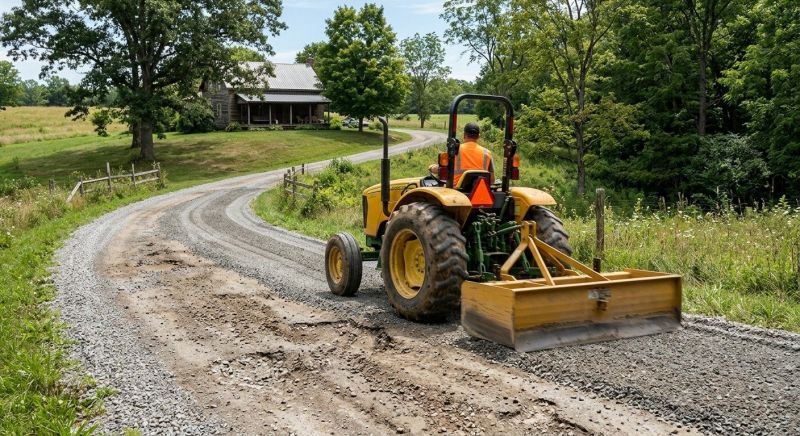
Lawn Leveling in Houston, TX
Lawn leveling services involve adjusting the surface of a yard to create a smooth, even terrain. This process is often used to address uneven spots, dips, or mounds caused by soil settling, erosion, or previous landscaping work. Projects can range from minor touch-ups to large-scale adjustments, helping to improve the overall appearance and safety of a property. Homeowners considering lawn leveling typically want to understand how the process can enhance drainage, prevent water pooling, and prepare the yard for future landscaping or turf installation.
Before requesting lawn leveling services, property owners should evaluate the extent of unevenness and consider the underlying causes. It’s helpful to know the size of the area that needs work and any existing drainage issues. Understanding the soil type and current landscaping features can also influence the best approach. Clear communication about project goals and concerns can ensure the service addresses specific needs, resulting in a more functional and visually appealing yard.
Many property owners in Houston, TX look into Lawn Leveling for repairs, replacements, upgrades, and appearance-related improvements.
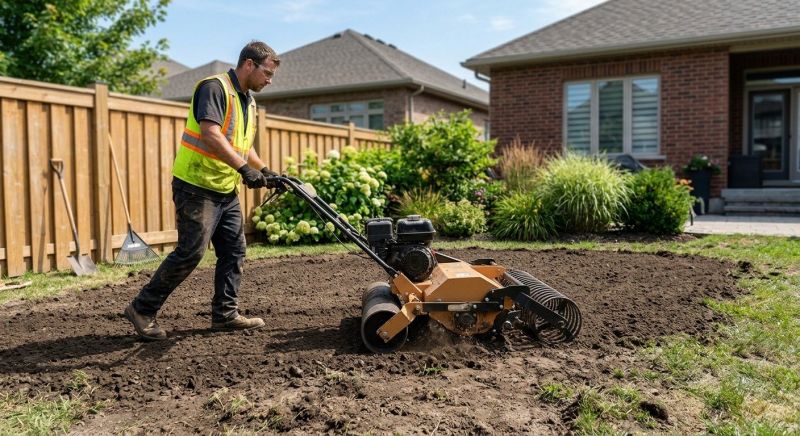
Benefits Of Lawn Leveling
Proper leveling enhances the safety, appearance, and health of your lawn.
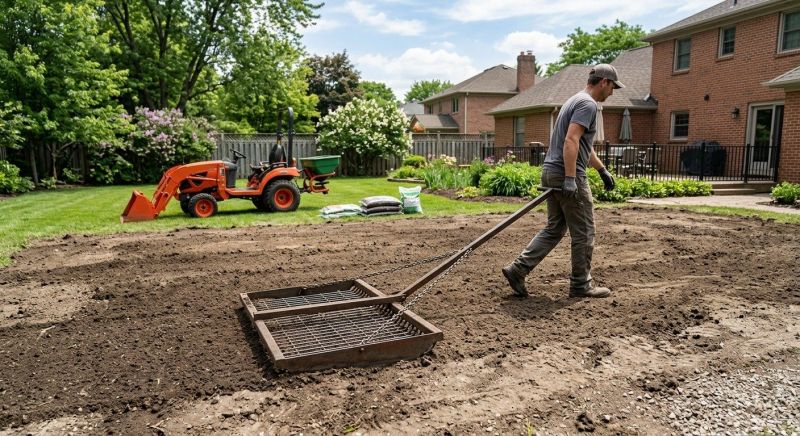
Common Lawn Issues Addressed
Uneven ground, settling spots, and drainage problems are often resolved through leveling services.
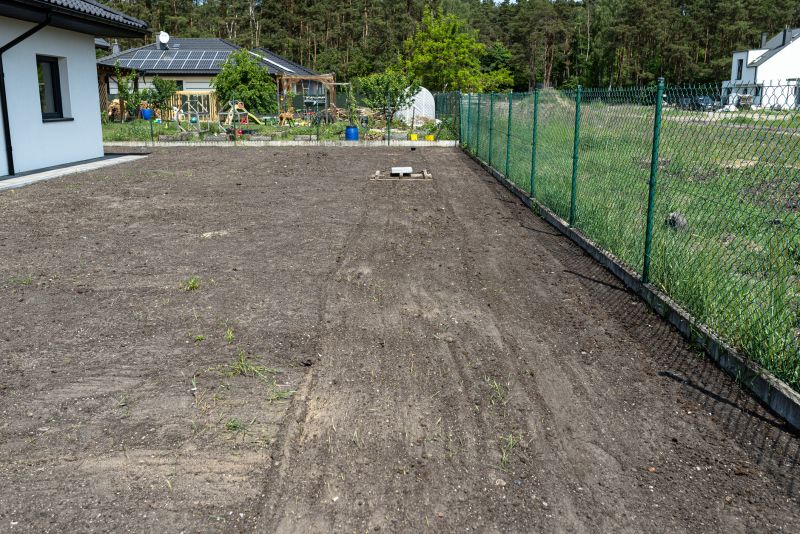
Ideal Projects For Lawn Leveling
Homeowners in houston often seek leveling to prepare yards for new landscaping or to improve drainage.
Lawn Leveling in Houston, TX

Lawn leveling services involve adjusting the surface of a yard to create a smooth, even terrain. This process is often used to address uneven spots, dips, or mounds caused by soil settling, erosion, or previous landscaping work. Projects can range from minor touch-ups to large-scale adjustments, helping to improve the overall appearance and safety of a property. Homeowners considering lawn leveling typically want to understand how the process can enhance drainage, prevent water pooling, and prepare the yard for future landscaping or turf installation.
Before requesting lawn leveling services, property owners should evaluate the extent of unevenness and consider the underlying causes. It’s helpful to know the size of the area that needs work and any existing drainage issues. Understanding the soil type and current landscaping features can also influence the best approach. Clear communication about project goals and concerns can ensure the service addresses specific needs, resulting in a more functional and visually appealing yard.
Many property owners in Houston, TX look into Lawn Leveling for repairs, replacements, upgrades, and appearance-related improvements.
Common Lawn Leveling Jobs
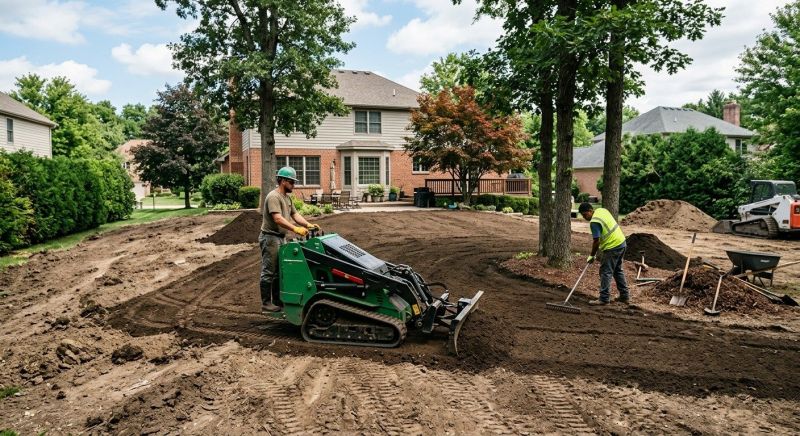
Residential lawn leveling involves smoothing uneven areas to create a flat, healthy grass surface.
Yard correction projects address dips, mounds, or rough patches for improved appearance and safety.
Sloped terrain adjustments help manage water runoff and prevent erosion in yard landscapes.
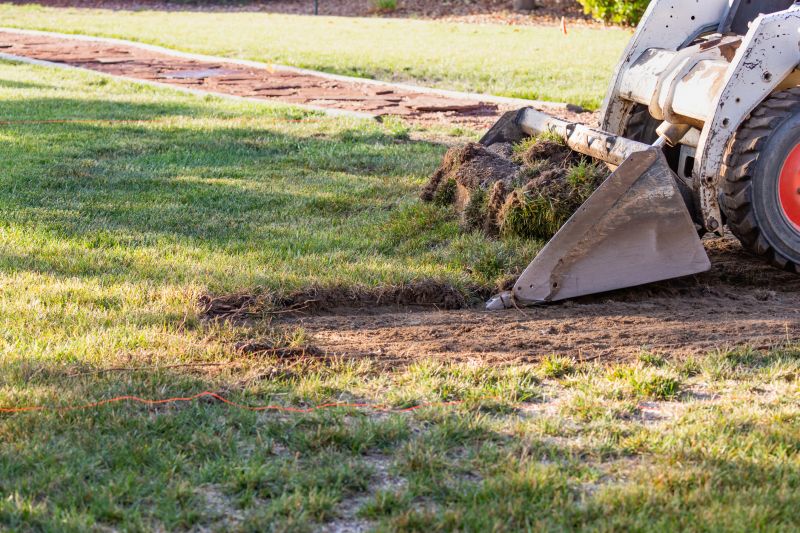
Patch leveling restores low spots and fills in depressions to promote even growth.
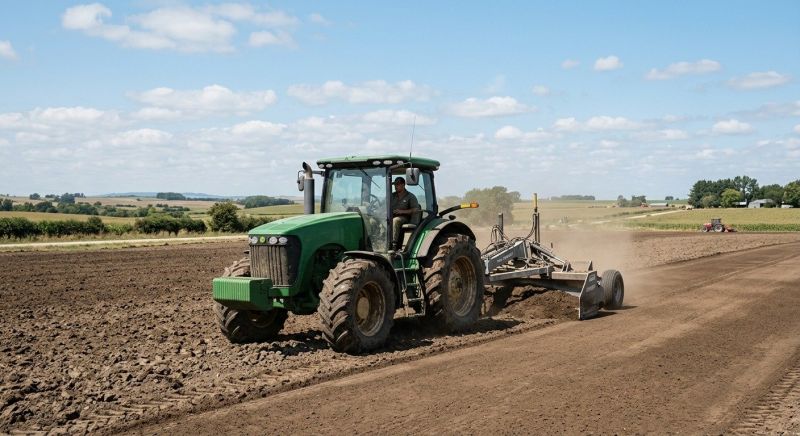
Large-scale grading prepares lawns for new landscaping or construction projects.
Soil leveling for sports fields ensures a consistent playing surface for athletic activities.
Lawn Leveling Questions
What is lawn leveling? Lawn leveling involves smoothing out uneven areas to create a flat, even surface for better drainage and appearance.
What types of projects benefit from lawn leveling? Property owners often request lawn leveling for yard renovations, addressing uneven patches, or preparing for new landscaping.
How does lawn leveling improve a yard? It helps prevent water pooling, reduces soil erosion, and provides a stable foundation for grass growth and landscaping features.
Is lawn leveling suitable for all grass types? Yes, lawn leveling can be performed on most grass types to improve overall yard stability and appearance.
Request Lawn Leveling in Houston, TX
Use the quote form on this page to share the basics of your project and request more information for the type of work you need.